OEM vs ODM for Portable Consumer Electronics: Making the Right Choice for Your Business
Choosing between OEM and ODM for portable consumer electronics involves balancing customization, cost, and time-to-market. This article compares both approaches, highlights key factors for evaluation, and explains why XMT Global's 10+ years of experience and global capabilities make us an ideal part
Understanding OEM and ODM in Portable Electronics
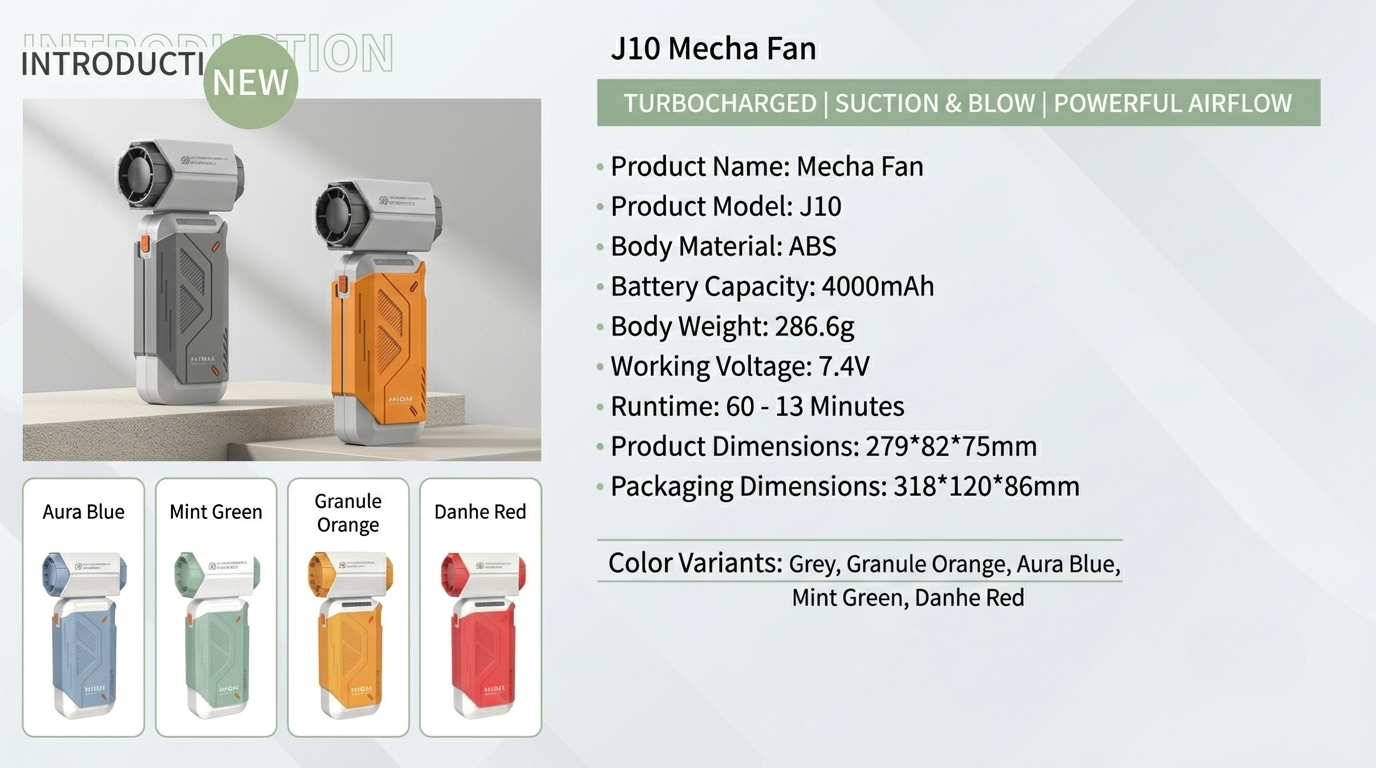
For international brand owners and sourcing managers, selecting the right manufacturing approach is crucial for balancing product uniqueness, cost-efficiency, and time-to-market. In the portable consumer electronics sector, two primary options dominate: Original Equipment Manufacturing (OEM) and Original Design Manufacturing (ODM). Understanding the nuances between these approaches is essential for making informed decisions that align with your business goals.
Key Differences Between OEM and ODM for Portable Devices
OEM and ODM differ primarily in the level of customization, cost implications, and the time required to bring a product to market. Here is a detailed comparison:
| Feature | OEM | ODM |
|---|---|---|
| Customization Level | High (design from scratch) | Moderate (modification of existing designs) |
| Cost | Higher (due to custom design and tooling) | Lower (leveraging existing designs) |
| Time to Market | Longer (design, prototyping, testing) | Shorter (modification of existing products) |
| Intellectual Property | Owned by buyer (design and specifications) | Shared (based on existing designs) |
| Manufacturing Complexity | Higher (custom manufacturing processes) | Lower (standardized processes) |
Advantages and Disadvantages of OEM in Consumer Electronics
Advantages
- Complete Customization: OEM allows for the creation of a unique product tailored to your specific requirements, from design to functionality.
- Brand Differentiation: With a custom design, your product stands out in the market, enhancing brand identity and customer loyalty.
- Intellectual Property Ownership: You retain full rights to the design and specifications, safeguarding your innovations.
Disadvantages
- Higher Costs: Custom design, tooling, and manufacturing processes can significantly increase expenses.
- Longer Time to Market: The development cycle is longer due to the need for design, prototyping, and testing phases.
- Higher Risk: The development of a new product involves uncertainties that could affect the final outcome.
Advantages and Disadvantages of ODM in Consumer Electronics
Advantages
- Cost-Effective: Leveraging existing designs reduces costs associated with custom development and tooling.
- Faster Time to Market: Modifying existing products accelerates the development process, allowing for quicker launches.
- Lower Risk: Utilizing proven designs minimizes the risk of product failure and unexpected complications.
Disadvantages
- Limited Customization: ODM offers less flexibility in design and functionality compared to OEM.
- Shared Intellectual Property: The design rights are often shared with the manufacturer, which may affect exclusivity.
- Less Brand Differentiation: Using existing designs may result in products that are similar to competitors' offerings.
Choosing the Right Approach: OEM vs ODM for Your Business
Selecting between OEM and ODM depends on your business objectives, budget, and market strategy. Consider the following factors:
- Customization Needs: If your product requires unique features and design, OEM is the better choice. For minor modifications, ODM may suffice.
- Budget Constraints: ODM is generally more cost-effective, making it suitable for businesses with limited budgets.
- Time Sensitivity: If you need to launch quickly, ODM can expedite the process. OEM is better for projects with flexible timelines.
- Brand Positioning: OEM allows for greater brand differentiation, while ODM may be suitable for brands that prioritize cost efficiency.
Why Partner with XMT Global for Your OEM/ODM Needs
With over 10 years of experience as an OEM/ODM manufacturer, XMT Global offers unparalleled expertise in the portable consumer electronics sector. Our Dongguan-based facility spans 3,000+ square meters and boasts a monthly capacity of 150,000+ units, serving over 30 export markets worldwide. Here’s why you should consider partnering with us:
- Comprehensive Customization: We specialize in both OEM and ODM, providing tailored solutions that meet your specific needs.
- Quality Assurance: Our rigorous quality control processes ensure that every product meets international standards, including CE, RoHS, FCC, UN38.3, and UKCA certifications.
- Efficient Communication: Our dedicated team maintains clear and consistent communication with clients, ensuring transparency and timely updates.
- Flexible MOQ and Lead Time: We offer a minimum order quantity of 500 units with a lead time of just 15 days, providing flexibility for your business needs.
- Global Export Capabilities: Our extensive experience in international markets ensures smooth and reliable export processes.
Frequently Asked Questions
What is the main difference between OEM and ODM?
The main difference lies in the level of customization. OEM involves creating a product from scratch based on the buyer's specifications, while ODM involves modifying existing designs to meet the buyer's needs.
How long does it take to develop a custom OEM product?
The development time for an OEM product varies depending on the complexity of the design and the requirements. However, it generally takes longer than ODM due to the need for custom design, prototyping, and testing.
Can XMT Global handle both OEM and ODM projects?
Yes, we have extensive experience in both OEM and ODM, providing tailored solutions to meet the diverse needs of our clients.
What certifications does XMT Global comply with?
We comply with CE, RoHS, FCC, UN38.3, and UKCA certifications, ensuring our products meet international quality and safety standards.
What is the minimum order quantity for OEM/ODM projects?
Our minimum order quantity is 500 units, with a lead time of 15 days.